

The Bay Area Restaurant System Was Always Broken. How Do We Fix It?
Before the COVID-19 pandemic, the Bay Area food industry was in a quiet but persistent crisis. The majority of restaurant workers earned far below a living wage for the region, even for jobs with tips factored in. Steadily rising residential and commercial rents meant that restaurant owners swallowed slim margins as an industry standard that would outlive their ambitions. Farmworkers across the state toiled from dusk until dawn with no employer or government safety nets to count on.
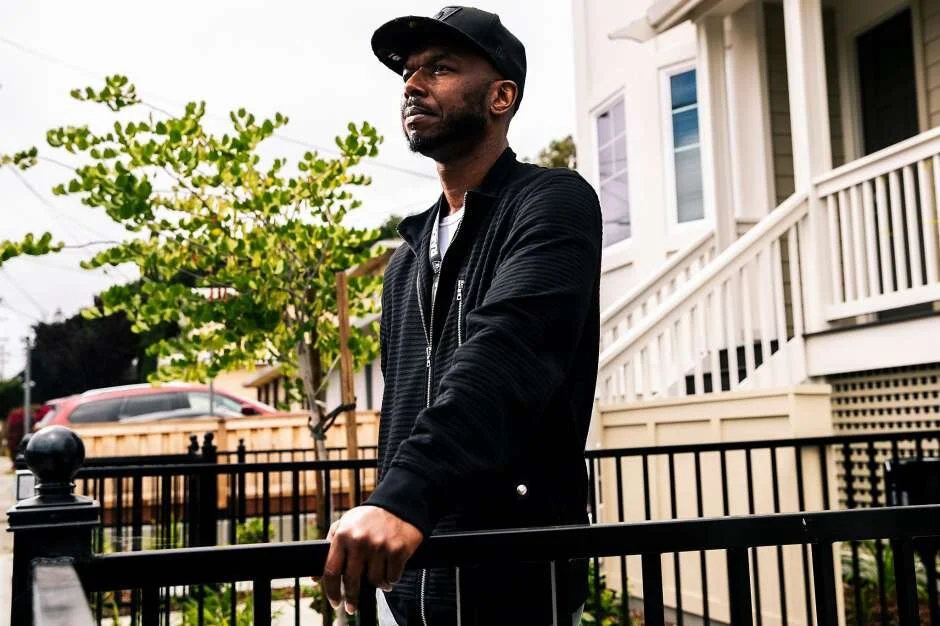
Being a white ally of African Americans means more than just protesting
East Oakland activist John Jones III has a request for white people who want to show their support at demonstrations against racism: “Don’t hold up a sign that says, ‘I can’t breathe.’ This is not about you. I’m the one who can’t breathe.”
It’s not that Jones doesn’t appreciate the effort. But he said white people who want to be long-term allies of his fellow African Americans can leverage their privilege in more helpful ways, like leading protests in their own suburban communities about police brutality. Or demanding that political candidates not be allowed to receive money from police unions.

Human Rights Commission statement on Recent Acts of Racial Violence
Cities across the country are in mourning. We are collectively traumatized, grief-stricken and enraged by yet another public lynching of a Black person.
While most of the world’s attention has been focused on our fight against COVID-19 in recent months, Black people have been fighting overexposure to the coronavirus compounded by relentless racial violence, both fueled by structural, systemic and institutional racism.
With COVID-19 heavily impacting African-Americans, Bayview officials seek more help
In cities across the country, people of color — particularly African-Americans — have made up a disproportionate percentage of deaths from COVID-19.
A recent CDC study found that black people were being hospitalized for COVID-19 at a rate that was nearly double their representation in the studied population. Similarly, 12% of California's COVID-19 fatalities so far have been African-American people, who comprise only 6.5% of the state's population.

Race, Power and Inequity in San Francisco
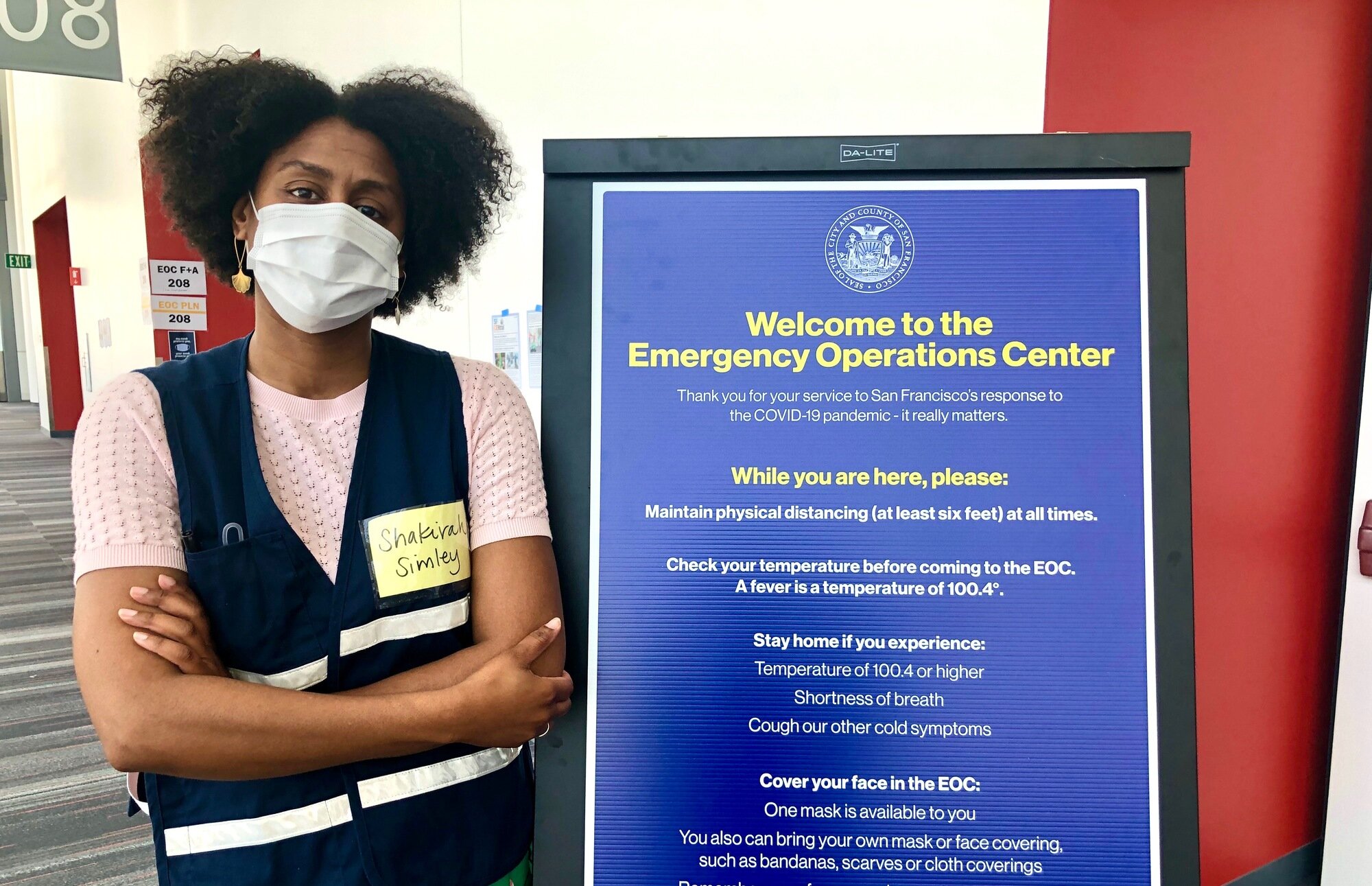
Shakirah Simley, director of the new Office of Racial Equity, talks with Dominic Fracassa about rooting out and repairing the racial harms caused by city policies
Human Rights Commission welcomes Shakirah Simley as Director of Newly created Office of Racial Equity
San Francisco, CA – Human Rights Commission Executive Director Sheryl Davis today announced the appointment of Shakirah Simley as Director of the Office of Racial Equity for the City and County of San Francisco. In this new role, created by legislation from Supervisors Sandra Lee Fewer and Vallie Brown, Director Simley will be responsible for advancing a citywide racial equity framework to address the history of structural and institutional racism in San Francisco’s delivery of services to the public, and in its internal practices and systems. The Office will achieve this goal through policy analysis and development, trainings, data collection, as well as support and stronger accountability measures for City departments. Director Simley’s work will be community-driven and data informed.
Human Rights Commission Appoints Director For New Office Of Racial Equity
The San Francisco Human Rights Commission has appointed a director for the city's new Office of Racial Equity, commission officials announced Monday.
Shakirah Simley will lead the city's newest department, tasked with analyzing the city's policies that impact racial equality and establishing plans to address disparity within city departments.
The Office of Racial Equity, or ORE, is a division of the Human Rights Commission and has a budget of $1 million over the next two years.